
Zinc
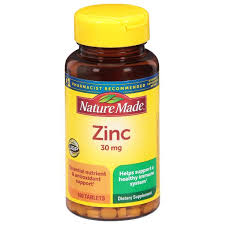
Zinc is an essential trace mineral that plays a vital role in numerous biological processes, including immune function, wound healing, and DNA synthesis. As a key element in over 300 enzymatic reactions, zinc is indispensable for maintaining overall health and well-being.
Zinc RDA (Recommended Dietary Allowance):
- Men (19+ years): 11 mg/day
- Women (19+ years): 8 mg/day
- Pregnant women: 11 mg/day
- Breastfeeding women: 12 mg/day
- Children (varies by age): 2-9 mg/day
ODA (Optimal Daily Allowance):
- 15-25 mg/day (depending on individual needs, stress levels, and activity)
Found in:
- Meat (beef, pork, lamb)
- Shellfish (oysters, crabs, shrimp)
- Poultry (chicken, turkey)
- Dairy products (cheese, milk, yogurt)
- Legumes (chickpeas, lentils, beans)
- Nuts and seeds (pumpkin seeds, cashews, almonds)
- Whole grains (quinoa, oats, wheat germ)
- Eggs
- Fortified cereals
Helps with:
- Supporting a healthy immune system
- Promoting wound healing and tissue repair
- Maintaining normal growth and development during pregnancy, childhood, and adolescence
- Aiding in DNA and RNA synthesis
- Supporting reproductive health and fertility
- Enhancing taste and smell perception
- Acting as an antioxidant to combat oxidative stress
Insufficient doses:
- Symptoms of deficiency:
- Weakened immune function
- Delayed wound healing
- Loss of appetite
- Hair thinning or loss
- Impaired taste and smell
- Skin issues like acne or dermatitis
- Growth retardation in children
- Deficiency is more common in vegetarians, alcoholics, and individuals with certain medical conditions (e.g., Crohn’s disease, celiac disease).
Excessive doses:
- Upper limit: 40 mg/day for adults
- Possible side effects of excessive zinc intake:
- Nausea and vomiting
- Diarrhea and stomach pain
- Reduced immune function (paradoxical effect)
- Impaired absorption of other minerals like copper and iron
- Long-term excessive intake can lead to neurological issues
Interactions:
- Synergy:
- Antagonistic interactions: