
Vitamin C
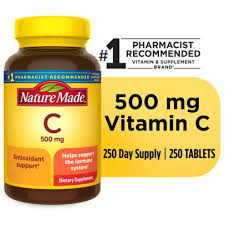
Vitamin C is a water-soluble vitamin and it is involved in more than 300 processes in the body.
Vitamin C RDA (Recommended Dietary Allowance):
- Adults (19+ years): 90 mg/day (men), 75 mg/day (women)
- Pregnant women: 85 mg/day
- Breastfeeding women: 120 mg/day
- Smokers: Additional 35 mg/day
ODA (Optimal Daily Allowance):
- 200-1,000 mg/day (varies depending on individual needs and health goals)
Found in:
- Citrus fruits (oranges, lemons, grapefruits)
- Berries (strawberries, raspberries)
- Kiwi
- Papaya
- Pineapple
- Bell peppers (especially red)
- Broccoli
- Brussels sprouts
- Spinach and kale
Helps with:
- Collagen synthesis (important for skin, cartilage, and blood vessels)
- Antioxidant properties (neutralizing free radicals)
- Immune system support
- Wound healing
- Enhancing iron absorption from plant-based foods
- Reducing risk of chronic diseases (e.g., heart disease)
Insufficient doses:
- Symptoms of deficiency:
- Fatigue and weakness
- Irritability
- Joint and muscle pain
- Dry skin and hair
- Slow wound healing
- Bleeding gums and tooth loss
- Severe deficiency can lead to scurvy, characterized by swollen gums, easy bruising, anemia, and skin issues.
Excessive doses:
- Vitamin C is generally considered safe up to 2,000 mg/day (tolerable upper intake level)
- Possible side effects of high doses:
- Stomach upset and diarrhea
- Nausea
- Increased risk of kidney stones (especially in individuals prone to oxalate stones)
Interactions:
- Synergy:
- Antagonistic interactions:
- High doses may interfere with certain laboratory tests (e.g., blood glucose measurements).
- Large doses may reduce the effectiveness of chemotherapy or radiation in cancer treatments (consult a healthcare provider).
- May decrease vitamin B12 absorption if taken in extremely high doses over long periods.