
Vitamin B9
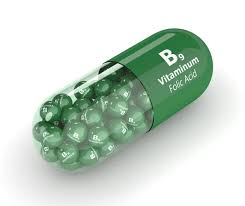
Vitamin B9, commonly known as folate (or folic acid in synthetic form), is a water-soluble B vitamin essential for DNA synthesis, cell division, and the production of red and white blood cells. It plays a crucial role in fetal development and overall cardiovascular health.
Vitamin B9 RDA (Recommended Dietary Allowance):
- Adults (19+ years): 400 µg/day
- Pregnant women: 600 µg/day
- Breastfeeding women: 500 µg/day
- Children (varies by age): 65-300 µg/day
ODA (Optimal Daily Allowance):
- 600-1,200 µg/day (depending on individual needs and health conditions)
Found in:
- Leafy green vegetables (spinach, kale, romaine lettuce)
- Legumes (lentils, chickpeas, black beans)
- Fruits (oranges, bananas, avocados)
- Fortified grains and cereals
- Organ meats (liver, kidney)
- Eggs and dairy products
Helps with:
- DNA synthesis and cell division, essential for growth and development
- Red blood cell formation and prevention of megaloblastic anemia
- Supporting neural tube development in fetuses, preventing birth defects like spina bifida
- Lowering homocysteine levels, reducing cardiovascular disease risk
- Supporting brain function and mental clarity
- Enhancing mood regulation and reducing depression risk
Insufficient doses:
- Symptoms of deficiency:
- Fatigue and weakness
- Megaloblastic anemia
- Irritability and mood disorders
- Glossitis (swollen tongue) and mouth sores
- Increased risk of neural tube defects in pregnancy
- Deficiency is more common in pregnant women, alcoholics, and individuals with malabsorption disorders.
Excessive doses:
- Upper limit: 1,000 µg/day (from synthetic folic acid; natural folate from food has no known toxicity)
- Possible side effects of excessive Vitamin B9 intake:
- Can mask a vitamin B12 deficiency, leading to neurological damage if left untreated
- Digestive issues like nausea and bloating in high doses
Types of Vitamin B9:
- Folate: Naturally occurring form found in whole foods, easily absorbed but can be unstable during cooking.
- Folic Acid: Synthetic form used in supplements and fortified foods, more stable but requires conversion in the body.
- 5-MTHF (5-methyltetrahydrofolate): Active form of folate that is readily utilized by the body, beneficial for individuals with MTHFR gene mutations.
Interactions (synergy and anti):
- Synergy:
- Vitamin B9 works with vitamin B12 and B6 for homocysteine metabolism and heart health.
- Supports iron and vitamin C absorption, aiding in red blood cell production.
- Works with zinc for proper cell division and immune function.
- Antagonistic interactions:
- Excessive alcohol intake depletes folate levels.
- Certain medications (e.g., methotrexate, sulfasalazine, phenytoin) interfere with folate metabolism.
- High-dose folic acid supplementation can mask a vitamin B12 deficiency, leading to delayed diagnosis.