
Vitamin B3
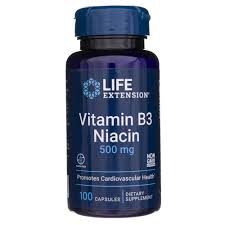
Vitamin B3, also known as niacin, is a water-soluble B vitamin that plays a crucial role in energy metabolism, DNA repair, and the production of essential molecules like NAD and NADP, which are vital for cellular function.
Vitamin B3 RDA (Recommended Dietary Allowance):
- Men: 16 mg/day
- Women: 14 mg/day
- Pregnant women: 18 mg/day
- Breastfeeding women: 17 mg/day
ODA (Optimal Daily Allowance):
- 20-50 mg/day (varies based on individual needs and health conditions)
Found in:
- Meat (chicken, beef, turkey)
- Fish (tuna, salmon)
- Whole grains (brown rice, whole wheat)
- Legumes (peanuts, lentils)
- Dairy products
- Eggs
- Mushrooms
- Green leafy vegetables
Helps with:
- Energy metabolism by supporting the conversion of food into usable energy
- Maintaining healthy skin and nervous system function
- Reducing cholesterol levels and improving cardiovascular health
- Supporting brain function and reducing cognitive decline
- Aiding in DNA repair and cellular signaling
Insufficient doses:
- Symptoms of deficiency (known as pellagra):
- Dermatitis (skin inflammation and rash)
- Diarrhea
- Dementia or cognitive impairment
- Fatigue and muscle weakness
- Irritability and depression
Excessive doses:
- High doses (>35 mg/day) may cause:
- Flushing (redness, warmth, and itching of the skin)
- Nausea and digestive discomfort
- Liver toxicity (at very high doses, particularly with sustained-release supplements)
- Increased blood sugar levels (may be problematic for diabetics)
Types of Vitamin B3:
- Niacin (nicotinic acid) – Used for cholesterol management and cardiovascular benefits
- Niacinamide (nicotinamide) – Less likely to cause flushing, commonly used in skincare
- Inositol hexanicotinate – A form used in no-flush niacin supplements
Interactions (synergy and anti):
- Synergy:
- Antagonistic interactions:
- Alcohol consumption may reduce Vitamin B3 levels in the body
- High doses of Vitamin B3 may interfere with blood sugar regulation and insulin sensitivity
- Certain medications (such as cholesterol-lowering statins) may interact with Vitamin B3, increasing the risk of side effects