
Tyrosine
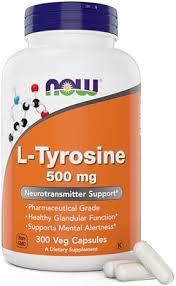
Tyrosine, or L-tyrosine, is a non-essential amino acid that the body synthesizes from phenylalanine. It plays a crucial role in producing neurotransmitters and hormones, supporting brain function, mood regulation, and stress response.
Tyrosine RDA (Recommended Dietary Allowance):
- No specific RDA, as tyrosine is non-essential and synthesized from phenylalanine.
ODA (Optimal Daily Allowance):
- 500–2,000 mg/day (higher for individuals with increased stress, cognitive demands, or physical exertion).
Found in:
- High-protein foods such as:
- Meat (beef, chicken, pork)
- Fish (salmon, tuna, cod)
- Eggs
- Dairy products (milk, cheese, yogurt)
- Legumes (soybeans, lentils, chickpeas)
- Nuts and seeds (almonds, pumpkin seeds, sunflower seeds)
- Whole grains (quinoa, oats, brown rice)
- Bananas
- Avocados
Helps with:
- Neurotransmitter production: Precursor to dopamine, norepinephrine, and epinephrine, essential for mood, focus, and stress response.
- Thyroid hormone synthesis: Key component of thyroxine (T4) and triiodothyronine (T3), which regulate metabolism.
- Stress adaptation: Supports cognitive performance during acute stress by replenishing neurotransmitters.
- Skin health: Involved in melanin production, the pigment responsible for skin, hair, and eye color.
- Energy and alertness: Enhances mental and physical performance during demanding tasks.
Insufficient doses:
- Symptoms of deficiency (rare but may occur with phenylalanine deficiency):
- Fatigue and low energy levels.
- Impaired cognitive performance (e.g., poor focus, memory issues).
- Mood disturbances, such as depression or irritability.
- Low stress tolerance or difficulty coping with acute stress.
Excessive doses:
- Generally safe at doses up to 12 grams/day.
- Possible side effects of excessive intake:
- Gastrointestinal discomfort (nausea, diarrhea).
- Headache or irritability.
- Potential interaction with thyroid disorders or medications.
Interactions:
- Synergy:
- Works with vitamin B6, vitamin C, and folate to synthesize neurotransmitters.
- Supports thyroid function alongside iodine and selenium.
- Combines with phenylalanine to enhance the production of dopamine and norepinephrine.
- Antagonistic interactions:
- Excessive tyrosine may interfere with the absorption of other amino acids due to competition.
- High doses may exacerbate hyperthyroid symptoms or interfere with thyroid hormone balance.
Tyrosine is vital for maintaining brain health, emotional stability, and resilience to stress. Including tyrosine-rich foods or supplements in your diet can support optimal cognitive and physical performance, especially during periods of high mental or physical demand.