
Tryptophan
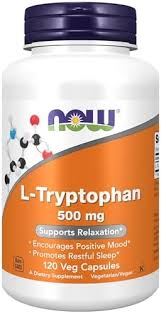
Tryptophan is an essential amino acid that the body cannot produce, making dietary intake crucial. It plays a key role in protein synthesis and is a precursor for serotonin, a neurotransmitter that regulates mood, sleep, and appetite.
Tryptophan RDA (Recommended Dietary Allowance):
- Adults: 5 mg/kg body weight/day
(For a 70 kg adult, this equals about 350 mg/day.)
ODA (Optimal Daily Allowance):
- 500-1,000 mg/day (based on individual needs and lifestyle factors)
Found in:
- Animal-based sources:
- Poultry (turkey, chicken)
- Fish (salmon, tuna, cod)
- Eggs
- Dairy products (milk, cheese, yogurt)
- Plant-based sources:
- Nuts and seeds (pumpkin seeds, sunflower seeds, walnuts)
- Legumes (soybeans, chickpeas, lentils)
- Whole grains (oats, quinoa, wheat germ)
- Fruits (bananas, apples)
- Supplements: Often included in serotonin-boosting formulas or sleep aids.
Helps with:
- Mood regulation: As a precursor to serotonin, tryptophan supports emotional well-being and reduces symptoms of depression and anxiety.
- Sleep: Converts to melatonin, which promotes restful sleep and regulates the sleep-wake cycle.
- Appetite control: Influences hunger signals by modulating serotonin levels.
- Protein synthesis: Contributes to muscle repair and growth.
- Cognitive function: Enhances memory and learning through its impact on serotonin and neurotransmitter pathways.
Insufficient doses:
- Symptoms of deficiency:
- Irritability or mood swings
- Sleep disturbances or insomnia
- Anxiety or depression-like symptoms
- Fatigue and low energy levels
- Increased sensitivity to pain
- At-risk groups: Individuals with low-protein diets, certain medical conditions, or chronic stress may experience deficiency.
Excessive doses:
- Generally safe up to 3-5 g/day, but higher amounts may cause:
- Nausea or vomiting
- Drowsiness or dizziness
- Gastrointestinal discomfort (cramps, diarrhea)
- In rare cases, serotonin syndrome (when combined with serotonin-enhancing drugs or supplements)
Interactions:
- Synergy:
- Tryptophan combines with vitamin B6, magnesium and zinc to enhance serotonin production.
- Works with carbohydrates to facilitate brain uptake and conversion to serotonin.
- Synergizes with melatonin supplements for sleep improvement.
- Antagonistic interactions:
- Competes with other large amino acids (e.g., leucine, isoleucine) for absorption into the brain.
- High protein intake may delay tryptophan’s effects on serotonin production.