
Isoleucine
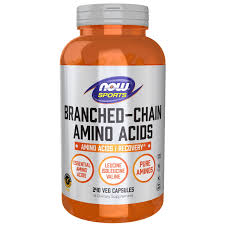
Isoleucine is one of the three branched-chain amino acids (BCAAs) essential for energy production, muscle repair, and immune support. It is particularly important for regulating energy levels during prolonged physical activity and promoting recovery.
Isoleucine RDA (Recommended Dietary Allowance):
- Adults: 19 mg/kg body weight/day
(For a 70 kg adult, this translates to about 1.33 g/day.)
ODA (Optimal Daily Allowance):
- 2-5 g/day (depending on activity levels and recovery needs)
Found in:
- High-protein foods:
- Meat (chicken, beef, pork, turkey)
- Fish (tuna, salmon, cod)
- Eggs
- Dairy products (milk, cheese, yogurt)
- Plant-based sources:
- Legumes (lentils, chickpeas, black beans)
- Nuts and seeds (almonds, sunflower seeds)
- Soy products (tofu, tempeh, soy milk)
- Whole grains (quinoa, oats, brown rice)
- Supplements: BCAA blends and isoleucine-specific supplements
Helps with:
- Muscle repair and growth: Promotes recovery by supporting protein synthesis.
- Energy regulation: Contributes to glucose uptake and metabolism, particularly during exercise.
- Immune system support: Helps in the production of immune cells and overall body repair processes.
- Hemoglobin production: Assists in the creation of red blood cells, improving oxygen transport.
- Blood sugar regulation: Plays a role in maintaining stable blood glucose levels.
Insufficient doses:
- Symptoms of deficiency (rare in individuals with adequate protein intake):
- Muscle weakness or atrophy
- Fatigue or low energy during physical activity
- Difficulty recovering from exercise or injuries
- Impaired immune function
- Dizziness or low endurance levels
- At-risk groups: Those on restrictive diets, the elderly, or individuals with chronic illnesses.
Excessive doses:
- No established upper limit, but excessive intake (above 15 g/day) may cause:
- Gastrointestinal issues (bloating, nausea)
- Imbalances in amino acid metabolism, particularly with leucine and valine
- Increased risk of kidney strain in individuals with pre-existing kidney conditions
Interactions:
- Synergy:
- Works closely with leucine and valine to promote muscle repair and energy production.
- Supports energy metabolism alongside glucose and fats during exercise.
- Benefits from sufficient vitamin B6, which is a cofactor for amino acid metabolism.
- Antagonistic interactions:
- Excessive intake of isoleucine relative to leucine and valine may reduce their bioavailability and impair overall BCAA function.
- Imbalances may negatively impact tryptophan metabolism, potentially influencing mood and sleep.