
Glutamic acid
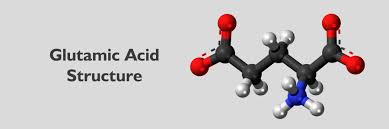
Glutamic acid, often referred to as glutamate in its ionic form, is a non-essential amino acid that plays a vital role in metabolism and brain function. As the most abundant excitatory neurotransmitter in the brain, it is crucial for cognitive functions like learning and memory. It also serves as a building block for proteins and as a precursor for other amino acids and bioactive molecules.
Glutamic acid RDA (Recommended Dietary Allowance):
- No specific RDA, as the body can synthesize it.
ODA (Optimal Daily Allowance):
- Typically 2–10 g/day, depending on dietary sources and individual metabolic needs.
Found in:
- Animal-based sources:
- Meat (beef, pork, chicken)
- Fish (salmon, cod, mackerel)
- Eggs
- Dairy products (cheese, milk, yogurt)
- Plant-based sources:
- Soy products (tofu, tempeh, soybeans)
- Legumes (lentils, chickpeas, black beans)
- Nuts and seeds (almonds, sunflower seeds, sesame seeds)
- Whole grains (brown rice, quinoa, oats)
- Vegetables (spinach, mushrooms, broccoli, tomatoes)
- Fermented products (rich in free glutamate):
- Soy sauce
- Miso
- Parmesan cheese
Helps with:
- Neurotransmitter function: Glutamic acid acts as the primary excitatory neurotransmitter in the central nervous system, crucial for learning, memory, and communication between neurons.
- Protein synthesis: Glutamic acid serves as a fundamental building block for creating proteins.
- Energy production: It aids in the metabolism of carbohydrates and fats.
- Detoxification: Participates in the removal of excess nitrogen from the body through the production of glutamine.
- Acid-base balance: Plays a role in maintaining pH balance in the kidneys.
Insufficient doses:
- Symptoms of deficiency (rare, as it is non-essential):
- Reduced cognitive function or mental fog
- Muscle weakness or fatigue
- Impaired protein synthesis and tissue repair
- Poor immune response
Excessive doses:
- High levels of Glutamic acid, particularly from supplementation or excessive dietary intake, can lead to:
- Excitotoxicity: Overstimulation of neurons, potentially leading to neurological issues or cell damage.
- Headaches or migraines (in sensitive individuals, often associated with monosodium glutamate, MSG).
- Gastrointestinal discomfort.
Interactions:
- Synergy:
- Antagonistic interactions:
- Excessive Glutamic acid levels can inhibit the production of GABA (an inhibitory neurotransmitter derived from glutamate), potentially causing anxiety or excitability.
- High intake of processed foods with MSG can interfere with natural Glutamic acid balance in sensitive individuals.
Glutamic acid is critical for brain and metabolic health but is generally well-regulated by the body.