
Chromium
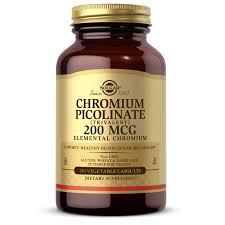
Chromium is an essential trace mineral that plays a critical role in macronutrient metabolism and maintaining healthy blood sugar levels. It enhances the action of insulin, which is key for glucose utilization.
Chromium RDA (Recommended Dietary Allowance):
- Men (19-50 years): 35 µg/day
- Women (19-50 years): 25 µg/day
- Men (51+ years): 30 µg/day
- Women (51+ years): 20 µg/day
- Pregnant women: 30 µg/day
- Breastfeeding women: 45 µg/day
- Children (varies by age): 11-25 µg/day
ODA (Optimal Daily Allowance):
- 50-200 µg/day (depending on individual needs and health conditions)
Found in:
- Whole grains (whole wheat bread, oats, barley)
- Vegetables (broccoli, green beans, potatoes)
- Fruits (apples, bananas, oranges)
- Meat (beef, turkey, chicken)
- Seafood (oysters, shrimp)
- Dairy products (cheese, milk)
- Nuts and seeds (almonds, sunflower seeds)
- Brewer’s yeast
Helps with:
- Enhancing insulin sensitivity and improving glucose metabolism
- Supporting energy production by aiding carbohydrate, fat, and protein metabolism
- Potentially reducing cravings for sugary foods
- Promoting cardiovascular health by improving cholesterol levels
- Supporting weight management through better blood sugar control
Insufficient doses:
- Symptoms of deficiency:
- Impaired glucose tolerance
- Increased risk of type 2 diabetes
- Fatigue or low energy levels
- Poor concentration or mood changes
- Increased cravings for carbohydrates
- Deficiency is more common in individuals with poor dietary habits or high sugar intake.
Excessive doses:
- No established upper limit, but doses above 1,000 µg/day may cause adverse effects in some individuals.
- Possible side effects of excessive chromium intake:
- Gastrointestinal discomfort
- Skin irritation or rashes
- Potential kidney or liver damage with prolonged high intake
Interactions (synergy and anti):
- Synergy:
- Antagonistic interactions:
- High iron levels may interfere with chromium absorption.
- Excessive refined sugar intake increases chromium excretion.
- Phytates in grains and legumes may reduce chromium bioavailability.