
Nutrition Facts
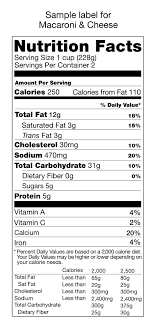
How to Read Nutrition Facts Labels
Understanding nutrition facts labels is crucial for making informed food choices. Here’s a breakdown of the key components:
- Serving Size: Always check this first. All nutritional values listed are based on this specific portion.
- Calories: Indicates the total energy per serving. Useful for managing weight gain or loss.
- Macronutrients:
- Protein: Important for muscle growth and repair.
- Carbohydrates: Includes sugars and fiber; fiber is beneficial, while added sugars should be limited.
- Fats: Look for unsaturated fats and limit trans and saturated fats.
- Micronutrients: Check for vitamins and minerals like calcium, iron, and potassium, which are essential for health.
- Daily Value (%DV): Helps determine if a nutrient is high or low. A 5% DV or less is considered low, while 20% or more is high.
The Benefits of High-Protein Foods
High-protein foods are essential for both muscle building and fat loss. Here’s why:
- Muscle Growth & Repair: Protein provides the amino acids needed to build and repair muscle tissues, making it crucial for athletes and those engaging in resistance training.
- Fat Loss & Satiety: Protein keeps you fuller for longer, reducing hunger and supporting weight management.
- Metabolism Boost: Digesting protein requires more energy than fats or carbs, leading to a slight metabolic increase.
- Best Sources: Lean meats, eggs, dairy, fish, legumes, and plant-based proteins like tofu and quinoa.
The Benefits of High-Complex-Carb Foods
Foods rich in complex carbohydrates provide sustained energy and essential nutrients. Here’s why they are beneficial:
- Steady Energy Release: Unlike simple sugars, complex carbs digest slowly, providing long-lasting energy.
- Rich in Fiber: Helps with digestion, promotes gut health, and keeps you full longer.
- Supports Brain Function: Glucose from complex carbs is a primary energy source for the brain, improving concentration and cognitive function.
- Best Sources: Whole grains, legumes, starchy vegetables, and fiber-rich fruits
The Dangers of High-Sugar Foods
Consuming too much sugar can be detrimental to your health. Here’s why high-sugar foods should be limited:
- Empty Calories: Sugary foods provide little to no essential nutrients while contributing to excessive calorie intake.
- Weight Gain: High sugar consumption is linked to obesity due to increased caloric intake and fat storage.
- Blood Sugar Spikes: Causes rapid fluctuations in blood sugar levels, leading to energy crashes and increased cravings.
- Increased Risk of Disease: Excessive sugar intake is associated with diabetes, heart disease, and inflammation.
- Common High-Sugar Foods: Soda, candies, pastries, processed snacks, and flavored yogurts.
Conclusion
Making informed nutrition choices starts with understanding nutrition facts labels. Prioritizing high-protein foods can support muscle growth and fat loss, while reducing high-sugar foods can prevent numerous health risks. Be mindful of what you eat, and choose nutrient-dense foods for a healthier lifestyle. That is why it is very important to learn how to read the nutrition facts labels.
Following are some of the most common foods and their nutrition facts:
Almonds
Anchovies
Asparagus
Banana
Barbecue Ribs
Beef Jerky
Black Beans
Bread
Broccoli
Brown Rice
Brussels Sprouts
Butternut Squash
Carrots
Cashews
Cheddar Cheese
Chia Seeds
Chickpeas
Clams
Cod
Corn
Cottage Cheese
Dark Chocolate
Doughnuts
Duck Breast
Edamame
Eggs
Flavored Yogurt
Flaxseeds
Froot Loops
Goat Cheese
Greek Yogurt
Green Peas
Ground Beef
Ground Turkey
Halibut
Hazelnuts
Hemp Seeds
Honey
Ice Cream
Jam
Kidney Beans
Lamb
Lean Chicken Breast
Lentils
Macadamia Nuts
Maple Syrup
Mushrooms
Oatmeal
Octopus
Orange Juice
Parmesan Cheese
Peanuts
Pork Chop
Pork Loin
Potatoes
Pumpkin Seeds
Quinoa
Raisins
Roast Beef
Salmon
Sardines
Seitan
Shrimp
Soda
Spinach
Spirulina
Sunflower Seeds
Sweet Potatoes
Swiss Cheese
Tempeh
Tilapia
Tofu
Tuna
Turkey Breast
Venison
Walnuts
White Rice
Whole Wheat Pasta
Yams
Always check the Nutrition Facts label when shopping for groceries, so that you can choose the healthiest option.