
Thyroid Hormones: T3 and T4
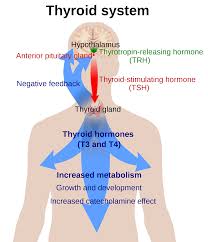
The thyroid hormones triiodothyronine (T3) and thyroxine (T4) are crucial regulators of metabolism, energy production, and overall physiological function. Produced by the thyroid gland, these hormones influence nearly every cell in the body, making them vital for maintaining optimal health and performance.
What Do Thyroid Hormones Do?
T3 and T4 play interconnected roles in regulating metabolic processes and energy balance. Their primary functions include:
- Metabolism Regulation: Control the rate at which the body burns calories and utilizes energy.
- Protein Synthesis: Support muscle repair and growth by stimulating protein production.
- Temperature Regulation: Help maintain body temperature by influencing heat production.
- Nervous System Development: Essential for brain and nerve function, especially during development.
- Cardiovascular Function: Increase heart rate and improve blood flow to meet metabolic demands.
What Is Needed for Thyroid Hormones Production?
Thyroid hormone synthesis depends on specific nutrients and proper functioning of the thyroid gland:
- Nutrition
- Iodine: A critical component of T3 and T4. Found in iodized salt, seaweed, fish, and dairy products.
- Selenium: Supports the conversion of T4 to the active form, T3. Found in Brazil nuts, sunflower seeds, and seafood.
- Zinc: Essential for thyroid hormone production and activation. Found in meat, shellfish, and legumes.
- Iron: Plays a role in thyroid hormone synthesis. Found in red meat, spinach, and fortified cereals.
- Exercise
- Regular physical activity supports thyroid function by improving metabolic efficiency and reducing stress.
- Adequate Caloric Intake
- Severe calorie restriction can suppress thyroid hormone production, leading to a slower metabolism.
- Stress Management
- Chronic stress can disrupt thyroid function by increasing cortisol, which interferes with hormone production.
When Are Thyroid Hormones Produced the Most?
Thyroid hormone production is regulated by the hypothalamic-pituitary-thyroid (HPT) axis and fluctuates based on:
- Daily Rhythm: Production peaks in the early morning and decreases at night.
- Cold Environments: Higher production to support thermogenesis.
- Growth and Pregnancy: Increased demand for energy and development boosts production.
What Reduces Thyroid Hormones Production?
Certain factors can suppress thyroid hormone levels or disrupt their balance:
- Nutrient Deficiencies: Lack of iodine, selenium, zinc, or iron.
- Excessive Stress: High cortisol levels can interfere with TSH (thyroid-stimulating hormone) and thyroid hormone production.
- Environmental Toxins: Exposure to heavy metals and endocrine disruptors like BPA.
- Autoimmune Conditions: Disorders such as Hashimoto’s thyroiditis can impair hormone synthesis.
- Crash Diets: Severely restricted calorie intake can lower T3 levels.
Problems Associated with Insufficient Thyroid Hormones Production
Low levels of thyroid hormones (hypothyroidism) can lead to significant health and fitness challenges:
- Fatigue: Reduced energy production leads to constant tiredness.
- Weight Gain: Slower metabolism promotes fat storage.
- Muscle Weakness: Impaired protein synthesis can reduce muscle strength and mass.
- Cold Intolerance: Difficulty maintaining body temperature.
- Depression and Brain Fog: Cognitive impairment and mood disturbances are common.
- Dry Skin and Hair Loss: Slower cell turnover affects skin and hair health.
Interactions with Other Hormones
- Synergy:
- Growth Hormone (GH): Enhances protein synthesis and metabolic activity.
- Cortisol: In small amounts, supports thyroid hormone activity during stress.
- Insulin: Works alongside T3 and T4 to regulate metabolism and energy storage.
- Antagonistic Hormones:
- Cortisol (Excess): Chronic high levels can suppress thyroid hormone production and conversion.
- Leptin: Low leptin levels during starvation can reduce thyroid activity.
Maintaining balanced levels of T3 and T4 is essential for metabolic health, muscle performance, and overall well-being. Through proper nutrition, stress management, regular exercise, and avoiding extreme diets, you can support healthy thyroid function and enhance your fitness and wellness goals.