
Testosterone: The King of Muscle Building Hormones
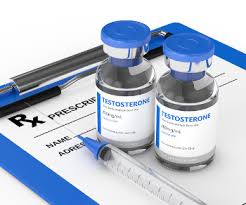
Testosterone is often referred to as the “king” of anabolic hormones due to its significant role in muscle growth, strength development, and overall health. While it is predominantly known as a male hormone, it also plays a vital role in women’s health, though in smaller amounts. Here, we explore its functions, production factors, and how to optimize it for muscle building and well-being.
What Does Testosterone Do?
This is a steroid hormone produced primarily in the testes (in men) and ovaries (in women), with smaller amounts coming from the adrenal glands. It has several critical functions:
- Muscle Growth: It enhances muscle protein synthesis, leading to increased muscle mass and strength.
- Fat Loss: It aids in reducing body fat by increasing metabolic rate.
- Bone Health: It improves bone density, reducing the risk of fractures.
- Mood Regulation: Healthy testosterone levels are linked to improved mood, confidence, and motivation.
- Libido and Sexual Health: It plays a vital role in sexual function and libido in both men and women.
What Is Needed for Testosterone Production?
Optimal testosterone production depends on several factors, including nutrition, exercise, sleep, and overall lifestyle. Here’s what you need:
- Nutrition
- Healthy Fats: Include sources like avocados, nuts, seeds, olive oil, and fatty fish to provide the building blocks for hormone synthesis.
- Zinc and Magnesium: Found in foods like shellfish, spinach, and pumpkin seeds, these minerals are essential for its production.
- Vitamin D: Boost levels with sunlight exposure or supplements, as this vitamin plays a critical role in testosterone synthesis.
- Protein: Adequate protein intake supports muscle repair and hormone balance.
- Balanced Carbohydrates: Complex carbs from whole grains, fruits, and vegetables help sustain energy levels and reduce cortisol (its antagonist).
- Exercise
- Strength Training: Focus on compound movements like squats, deadlifts, and bench presses with heavy weights and low reps.
- High-Intensity Interval Training (HIIT): Short bursts of intense activity can boost its levels.
- Avoid Overtraining: Excessive exercise can increase cortisol, which suppresses testosterone production.
- Sleep
- Deep sleep, especially REM stages, is crucial for testosterone production. Aim for 7-9 hours of quality sleep per night.
- Supplements
- Ashwagandha: May reduce stress and increase testosterone.
- Fenugreek: Linked to improved testosterone levels and libido.
- Zinc and Magnesium: Supplement if dietary intake is insufficient.
- Vitamin D: Essential for those with limited sun exposure.
When Is Testosterone Produced the Most?
This hormone’s levels follow a diurnal pattern, peaking in the morning (around 6-8 AM) and gradually declining throughout the day. This is why many individuals feel most energetic and strongest in the morning.
- Key Influences:
- Age: Its production is highest during late adolescence and early adulthood, gradually declining after the age of 30.
- Sleep Quality: Nighttime sleep is when the body’s testosterone production is at its peak, particularly during deep sleep stages.
What Reduces Testosterone Production?
Several factors can inhibit its production, including:
- Stress: Chronic stress raises cortisol levels, which suppresses testosterone.
- Poor Diet: Diets high in processed foods, sugar, and trans fats can negatively impact hormone levels.
- Lack of Sleep: Sleep deprivation reduces its production significantly.
- Alcohol Consumption: Excessive alcohol intake can lower testosterone and increase estrogen.
- Obesity: Higher levels of body fat can lead to increased estrogen and decreased testosterone.
- Sedentary Lifestyle: Lack of physical activity is a significant risk factor for low testosterone.
Problems Associated with Insufficient Testosterone Production
Low levels of this hormone can lead to several health issues, including:
- Muscle Loss: Reduced muscle mass and strength.
- Increased Fat Storage: Difficulty losing weight and increased fat accumulation.
- Low Energy Levels: Fatigue and lack of motivation.
- Mood Changes: Depression, irritability, and decreased confidence.
- Reduced Libido: Lowered sexual desire and performance issues.
- Bone Weakness: Increased risk of osteoporosis.
Interactions with Other Hormones
- Synergy:
- Growth Hormone (GH) and IGF-1: Work together with testosterone to promote muscle growth and repair.
- Insulin: Enhances nutrient delivery to muscles, complementing testosterone’s anabolic effects.
- Thyroid Hormones: Support metabolic rate and energy production, enhancing the benefits of testosterone.
- Antagonistic Hormones:
By understanding its role and optimizing its levels through lifestyle changes, you can enhance muscle growth, energy, and overall quality of life. Regular monitoring and adjustments based on individual needs can help you maintain a hormonal balance that supports your fitness and health goals.